Modular Vehicle Branding For Changing Fleets

Modular vehicle branding was pioneered by Brandfixx to solve a structural problem in fleet branding. Traditional wrap techniques were designed for static vehicles, yet most fleets change constantly as vehicles are repaired, reassigned, expanded or refreshed.

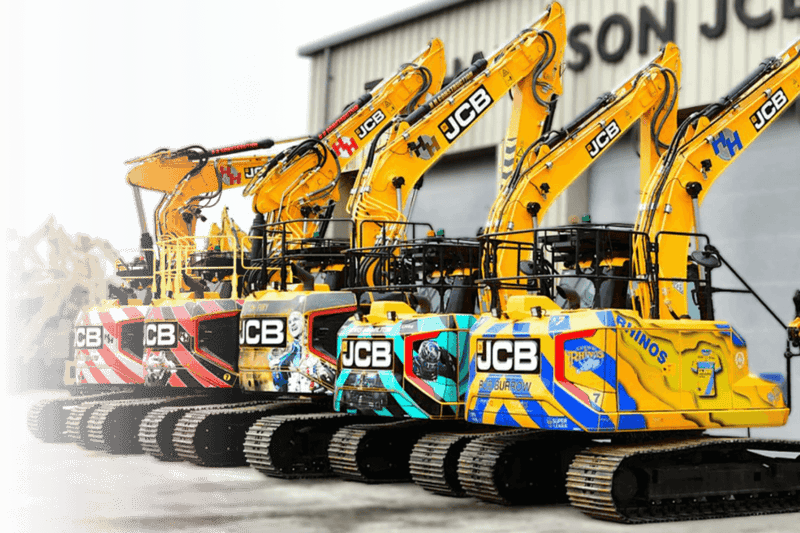
Instead of adapting wrap methods, Brandfixx developed modular branding as a purpose-built system for operational fleets. Vehicles are divided into defined branding zones, allowing panels to be installed, updated or replaced independently while maintaining a consistent overall design.

This approach ensures branding performs not just on installation day, but throughout the lifecycle of a working fleet.

  • £1.8m Saved

  • 5,178 Kits Fitted

  • 5,000+ Days saved fitting

  • 1,000 tons CO2e saved

  • 5,178 Trees Planted

The Brandfixx Modular System

Brandfixx developed modular vehicle branding to solve these structural problems. Instead of thinking in terms of “wrapping a vehicle”, we think in terms of “building a fleet branding system”.

The system is built around:

Engineered panel zones

Vehicles are divided into defined branding areas.

Replaceable sections

Panels can be swapped independently when branding updates or vehicles change.

Consistency across fleets

Standardised layouts ensure visual consistency across all vehicles.

Designed for change

The system anticipates fleet evolution rather than resisting it.

This means:

  • Rebrands don’t require full strip-down

  • Damaged sections don’t mean full replacement

  • New vehicles integrate seamlessly

  • Branding scales with the business

Built for Fleets That Change

Modular vehicle branding is designed for organisations where vehicles are operational assets, not static marketing billboards.

It is particularly suited to:

  • National logistics fleets
  • Utilities providers
  • Construction and infrastructure businesses
  • Plant and machinery operators
  • Growing service companies
  • Multi-site operators

If vehicles are added, replaced, upgraded, or repurposed, the modular system works with that change.

Explore modular branding case studies

A Lifecycle Approach to Fleet Branding

Branding should not be treated as a one-time purchase.

Across a fleet’s lifespan, vehicles are:

  • Added
  • Removed
  • Reassigned
  • Repaired
  • Rebranded

Traditional wrap models treat each change as a new job.

Modular branding treats fleet branding as a system that adapts.

Over time, this reduces:

  • Reprint frequency
  • Labour hours
  • Downtime
  • Waste
  • Unplanned cost spikes

It also creates long-term predictability in fleet presentation.

See how modular branding reduces lifecycle fleet costs

Modular vs Wraps: When Each Makes Sense

Wraps are still appropriate for certain applications:

  • One-off promotional vehicles
  • Short-term marketing campaigns
  • Static vehicles with no expected changes

However, for fleets that evolve over time, modular provides structural advantages.

If your fleet:

  • Grows year-on-year
  • Rebrands periodically
  • Experiences regular wear and tear
  • Requires consistent presentation across regions
  • Operates under ESG scrutiny

Then a system approach becomes commercially smarter.

See the full comparison between modular branding and wraps

Proven Across Multiple Sectors

Modular vehicle branding has been implemented across:

  • National utility fleets
  • HGV logistics operators
  • Construction and plant businesses
  • Motorsport and specialist vehicles

The system has been designed, tested, and refined around real operational environments.

Carbon Impact and ESG Alignment

Independent carbon mapping has shown that the modular system can reduce branding-related carbon emissions by up to 73% compared to traditional wrap-based approaches.

This reduction is achieved through:

  • Lower material waste
  • Fewer full replacements
  • Reduced transport cycles
  • Extended lifecycle of branding elements

For organisations with ESG targets or sustainability reporting requirements, branding decisions increasingly matter.

Modular branding supports operational carbon reduction without compromising visual impact.

View the modular branding carbon impact report

Why Brandfixx?

Brandfixx pioneered modular vehicle branding as a system, not as a variation of traditional wrapping.

Our approach is grounded in:

  • Long-term fleet thinking
  • Operational understanding
  • Commercial lifecycle modelling
  • Sustainability impact awareness

We do not see branding as decoration. We see it as a scalable fleet asset.

FAQs About Modular Vehicle Branding

What is modular vehicle branding?

Modular vehicle branding is a structured approach to fleet graphics where the vehicle is divided into defined zones and branding panels are applied within those areas.


Unlike traditional wraps, which treat the vehicle as one continuous surface, modular branding allows individual panels to be replaced or updated without removing the entire design.

How is modular branding different from a vehicle wrap?

A wrap is typically printed and installed as large continuous sections that cover the vehicle in one piece.

Modular branding uses smaller, engineered panels placed within specific zones. This makes repairs, updates, and fleet expansion easier over time while maintaining a consistent visual finish.

Does modular branding look as good as a full wrap?

Yes. From a visual perspective, modular branding still delivers a cohesive and professional finish. The difference lies in how the branding performs over time rather than how it looks on day one.

The system is designed to balance strong visual impact with long-term flexibility.

Can modular branding be used on different vehicle types?

Yes. Modular branding is designed as a repeatable system, which means it can be applied consistently across different vehicle sizes and formats, from vans and HGVs to plant and specialist vehicles.

This makes it particularly useful for fleets that operate across multiple vehicle types.

Is modular branding more expensive than traditional wraps?

The initial installation cost can be similar to high-quality wraps. The commercial difference tends to appear over time.

Because individual panels can be replaced rather than entire graphics, modular branding often reduces long-term maintenance costs, downtime, and disruption as fleets evolve.

When does modular branding make the most sense?

Modular branding is most effective for businesses where vehicles change over time. This includes fleets that expand, operate under long-term contracts, experience regular wear, or expect branding updates in the future.

For vehicles that are static and unlikely to change, traditional methods may remain sufficient.

Driving for a Sustainable Choice for Your Fleet Branding.

Find Out More
  • 40% Less Material Usage

    Our modular vehicle branding kits use 40% less material, reducing waste while still delivering impactful, high-quality branding for your fleet. This eco-friendly approach lowers your carbon footprint and supports sustainable business practices.

  • Reduced Need For Heat Guns

    Our innovative application process reduces the need for heat guns, cutting energy consumption and installation time. This speeds up the branding process while providing a more sustainable, efficient solution for your fleet.

  • 1 Tree Planted For Every Kit Sold

    For every kit sold, we partner with Ecology to plant one tree, contributing directly to global reforestation efforts. This initiative helps offset emissions, making your choice of fleet branding a step towards a greener, more sustainable future.

Find Out More

Our Core Values

  • Passion & Determination

  • Innovation

  • Attention to Detail

  • Communication

  • Integrity

  • Goals

  • Performance

  • Teamwork

  • Consistency

Address

Unit F1, Rotterdam Park,
Hull, HU7 0AN

Interested?

Get a Quote.

Click below & we'll be in touch

Get a quote